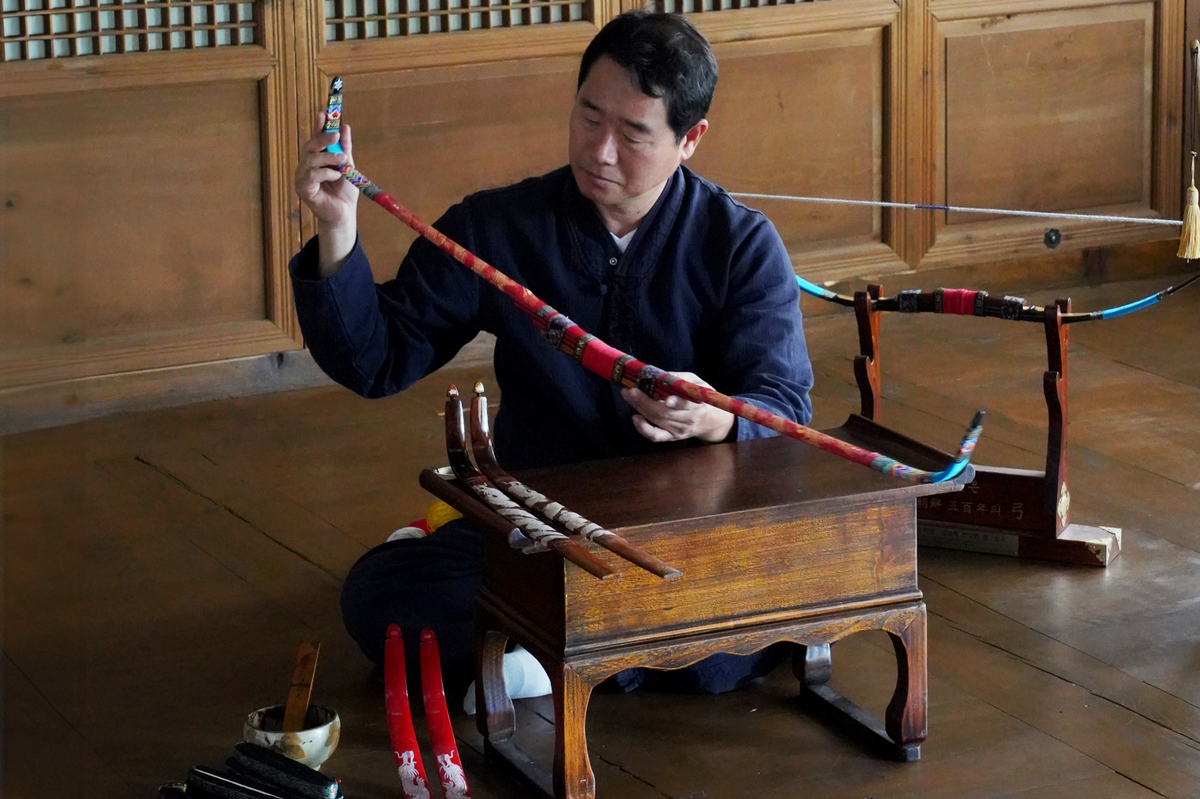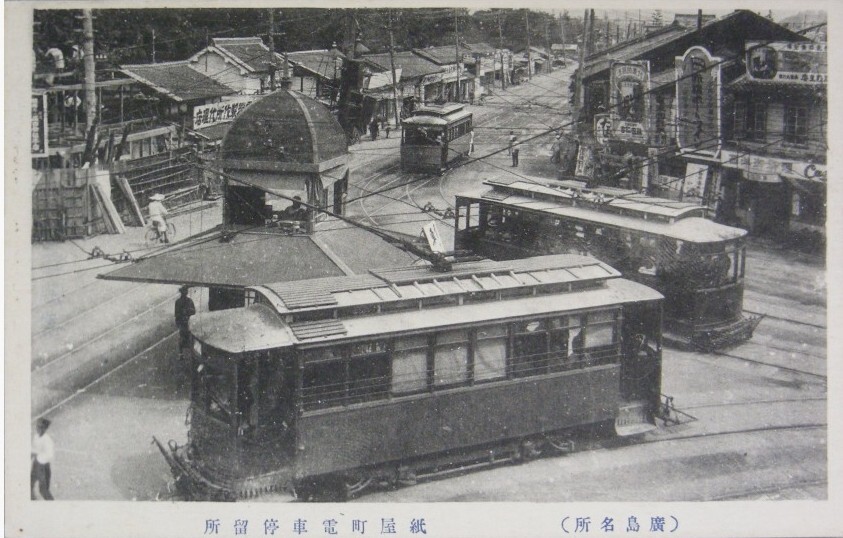
A vintage postcard of Kamiyachō Tram Stop in downtown Hirshoima circa 1927.
August 29, 1923
Kim Jin-ho is born in 1923. When he is four years old, he moves to Hiroshima, Japan with his father.
Under Japanese colonial rule, Koreans are taught to be obedient and subservient subjects of the Japanese Empire, struggling to survive beneath the crushing weight of a regime that sees them as less than human. Their job prospects are limited to manual labor or vocational work; however, the trajectory of Kim Jin-ho's life is changed by a few kind souls who stand strong against the cruelty of their government.
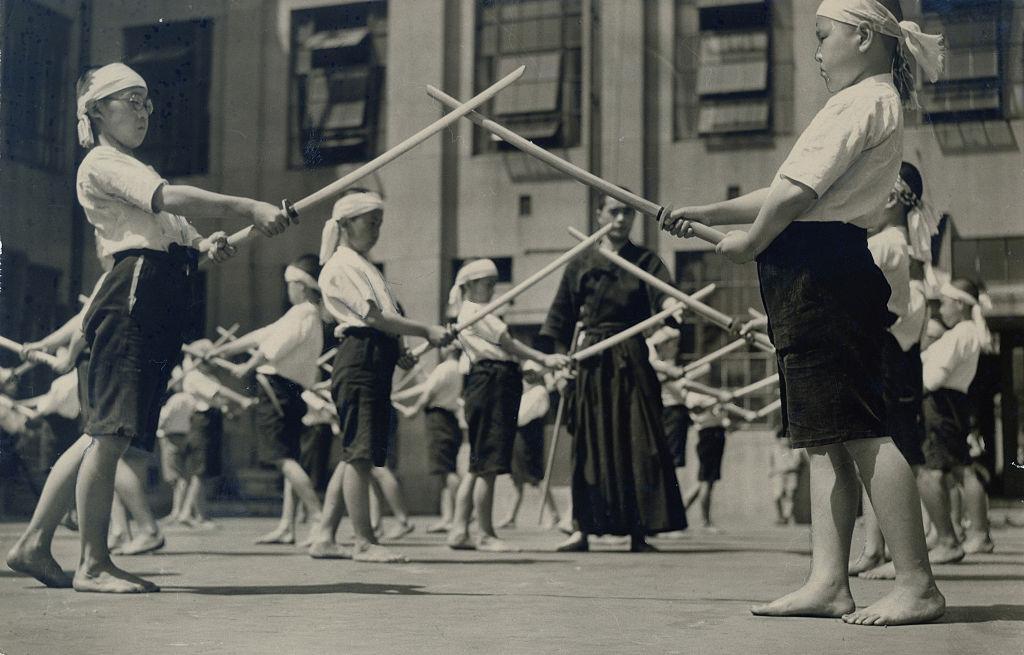
Young students practice kendo at Sakurada Elementary School, Tokyo, Japan, circa June 1940
1930s ~ 1945
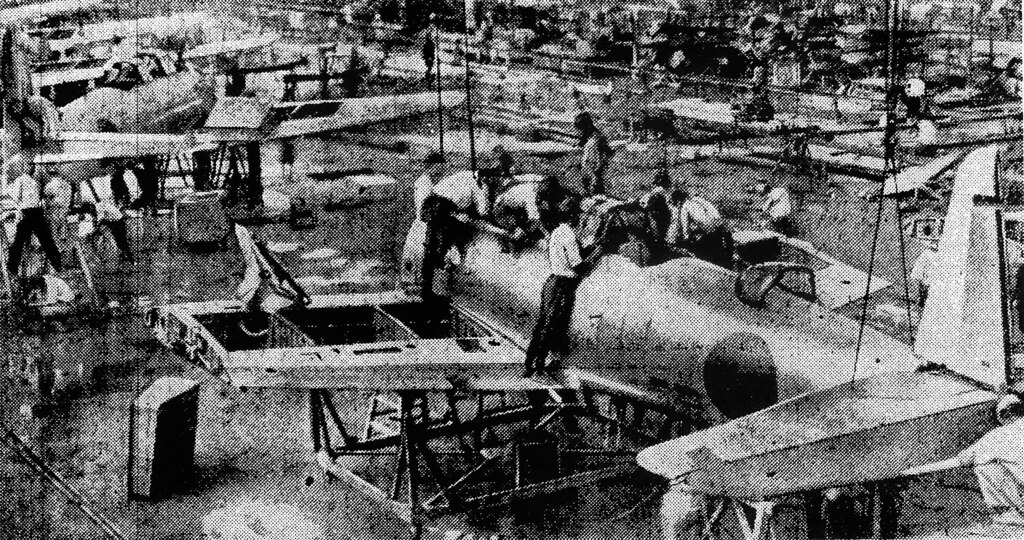
Kim Jin-ho graduates from a Japanese elementary school and, upon the recommendation of the school's principal, he is selected for vocational training and gets a job at Nakajima Aircraft Company. This company would later become Fuji Heavy Industries in 1953 and would go on to change its name once more to Subaru.
With the help of a Japanese pilot who liked Koreans and disapproved of how his country was tormenting Korea, Kim Jin-ho is able to learn martial arts such as kendo, archery, and judo.

Assembly at Nakajima Aircraft Company
中部日本新聞社(1944年9月20日), Public Domain, https://commons.wikimedia.org/w/index.php?curid=32432340
1930s ~ 1945
Kim Jin-ho works tirelessly and rises through the ranks at Nakajima Aircraft Company to serve as the team leader of Airplane Engine Team B. He excels and masters Japanese technology. It is a testimony to his skills and the power of friendship that he is able to rise the restrictions placed on Koreans.
This is the first time a Korean colonial subject is granted a position of leadership within a field that is so strictly regulated.

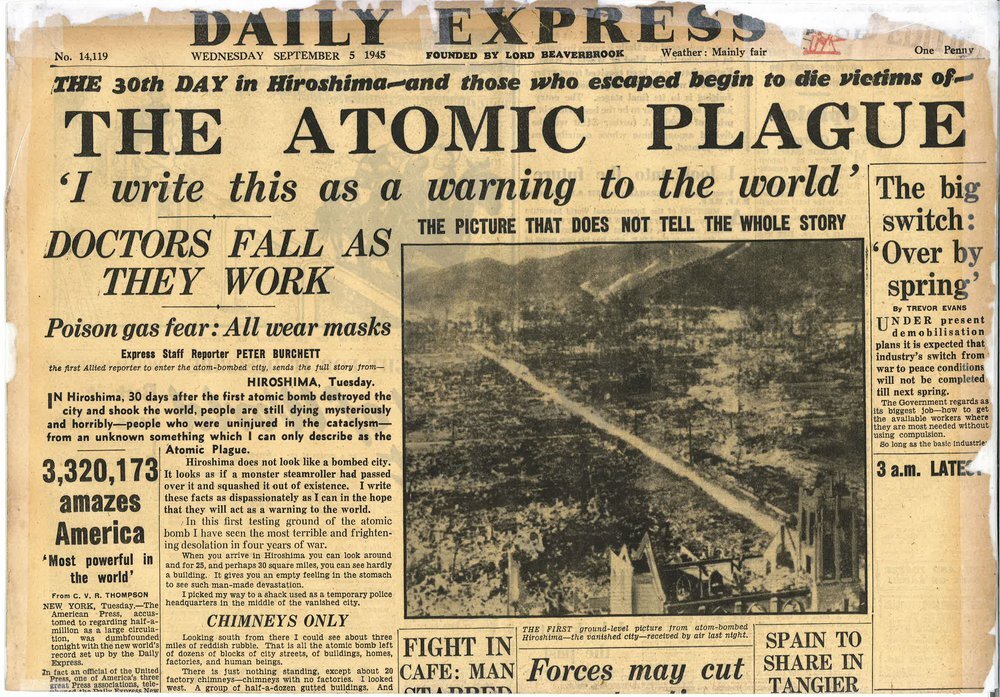
August 6, 1945
The United States of America drops an atomic bomb on Hiroshima.
Kim Jin-ho rushes to take refuge in the drainage tunnels beneath the city. Thanks to his clever thinking.

By Unknown author - KBS 스페셜 8.15 광복특집 - 기억의 재구성, Public Domain, https://commons.wikimedia.org/w/index.php?curid=5780105
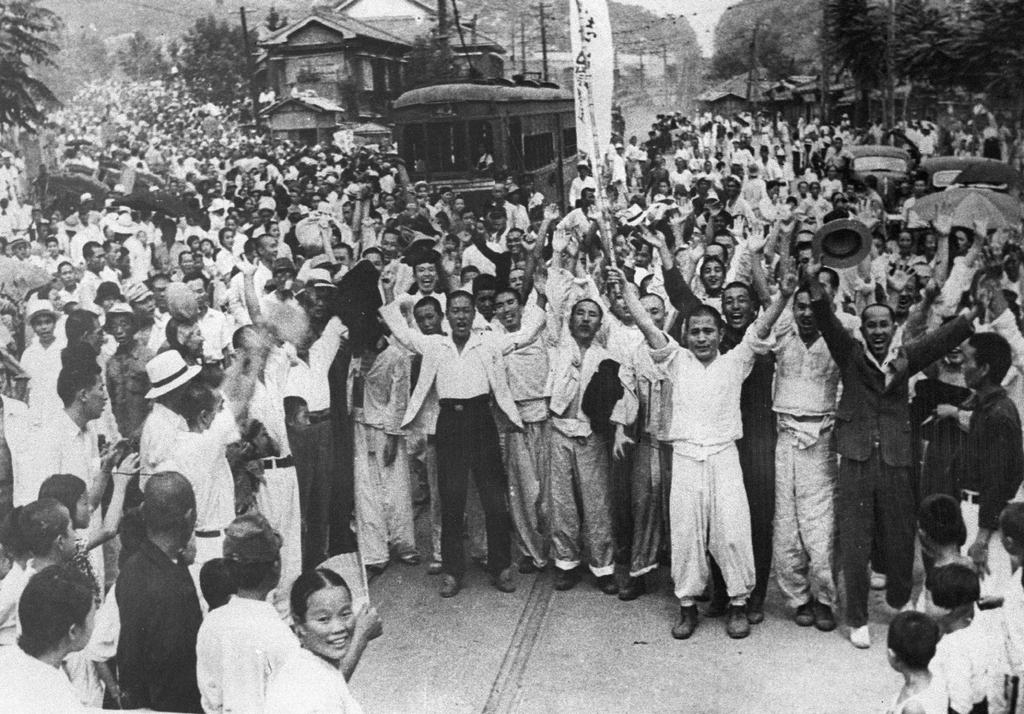
August 15, 1945
Korea is freed from 35 years of Japanese colonial rule.
Kim Jin-ho escapes the devastating aftermath of Hiroshima and moves to a newly liberated Korea.

Korean Central News Agency / Korea News Service via AP Images
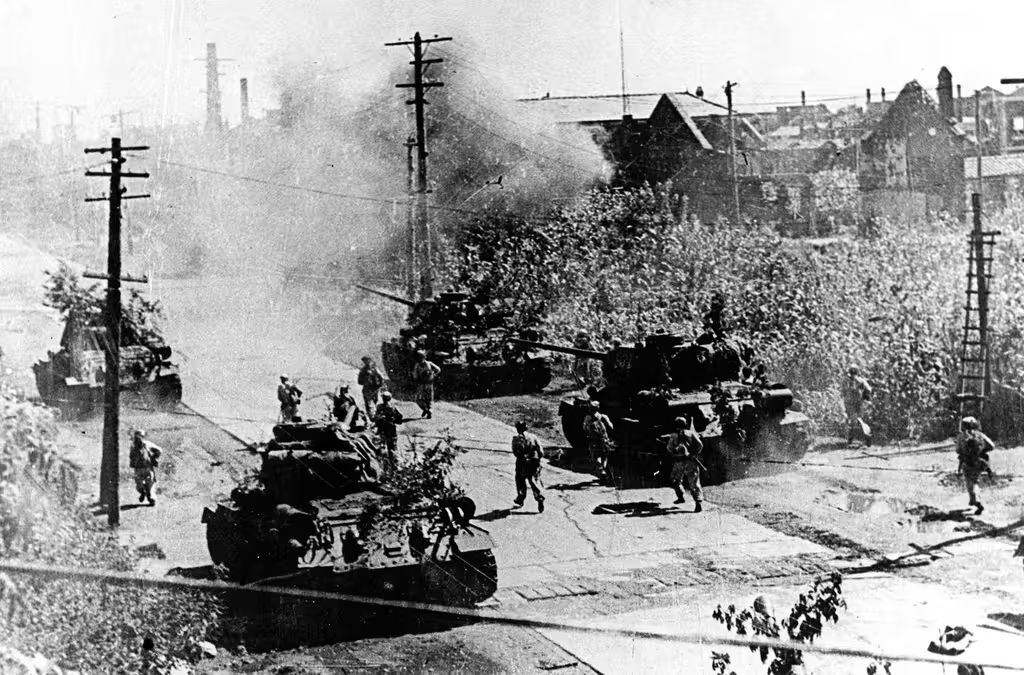
June 25, 1950
North Korean forces invade South Korea, marking the beginning of the Korean War.

22. August 1950
Kim Jin-ho enlists in the ROK Army and is assigned to front-line logistics in Cheorwon, Gangwon Province as a Supply Specialist (MOS 035).

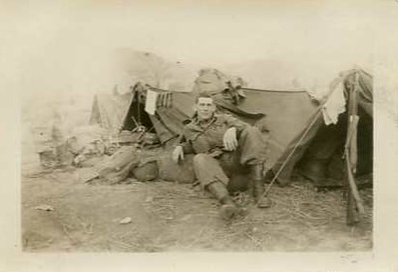
Snapshot of an unidentified U.S. Army soldier sitting on an M1-helmet and leaning against a pack on the ground outside of a group of tents.
From Lee A. Patterson Papers, KOR 13, Korean War Papers, Military Collection, State Archives of North Carolina, Raleigh, N.C.
c. 1950-1952
While stationed on the front lines, Kim strikes up a friendship with an American soldier. One of their most cherished memories is meeting in a friendly arm-wrestling competition, which sparked a close friendship.

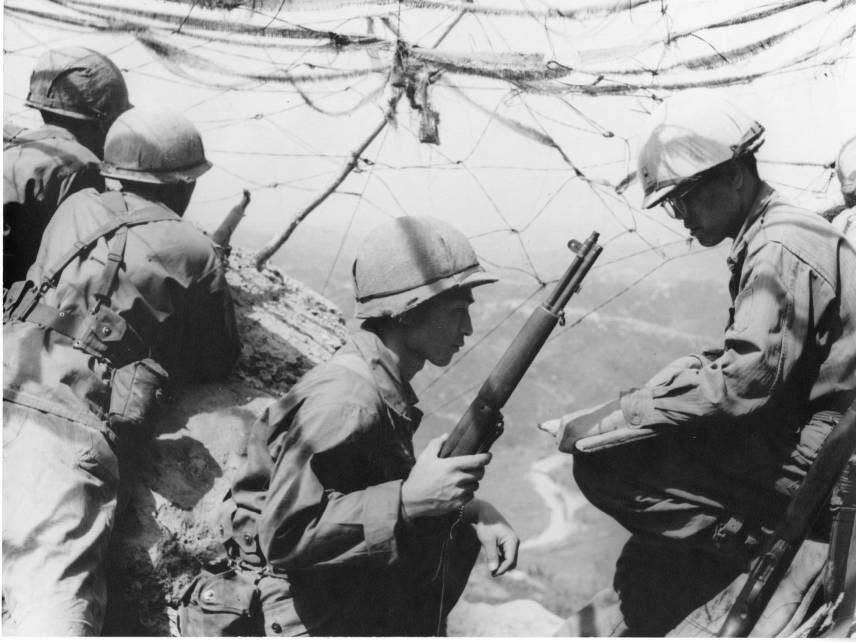
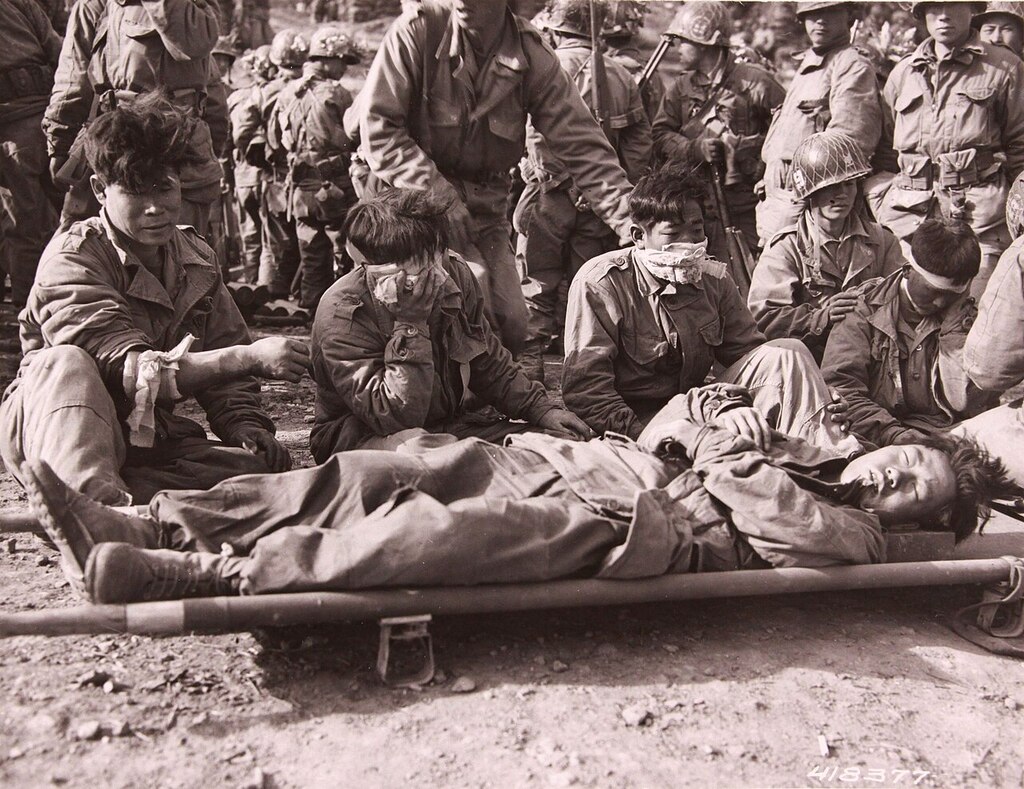
Soldiers of the 9th ROK Division, wounded in action against the Chinese Communist forces in the bitter battle for possession of White Horse Mountain, Hill 395, wait evacuation to a hospital at the rear, near Chorwon" NARA / Courtesy of the National Institute of Korea History.
October 1952
Kim Jin-ho is sent to fight in the Battle of White Horse Hill, where he sustains injuries in the line of duty and is subsequently evacuated.
Following his medical evacuation, he loses contact with his American friend.

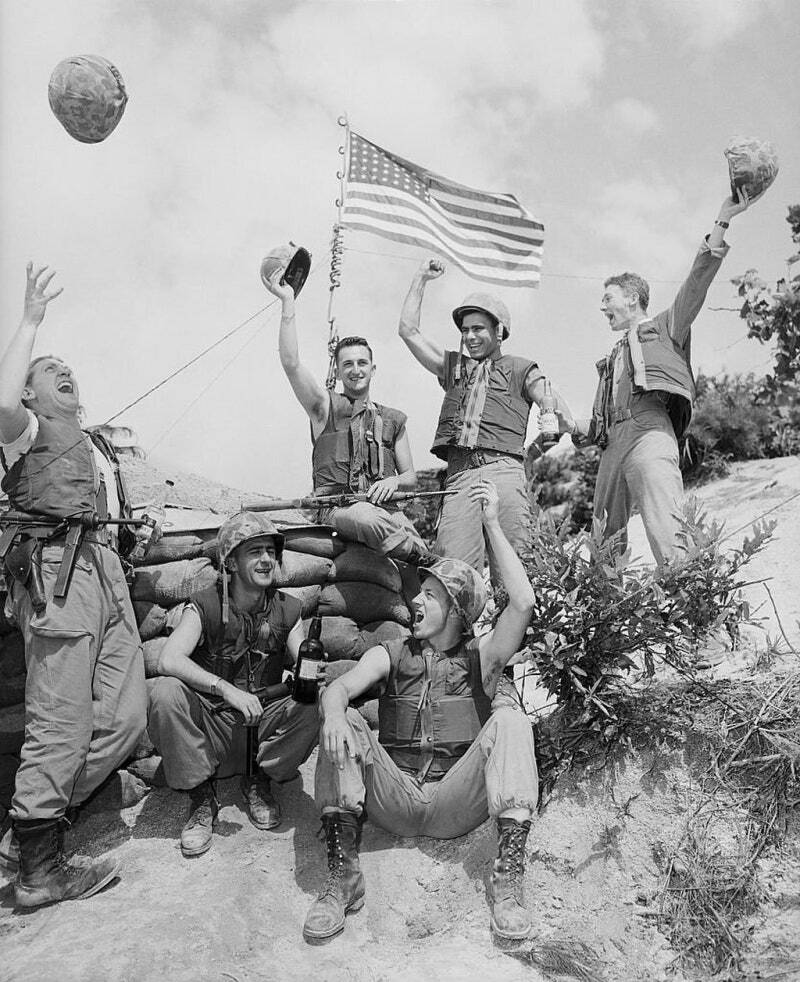
US troops celebrate the signing of the armistice agreement.
July 27, 1953
The Korean Armistice Agreement is signed.

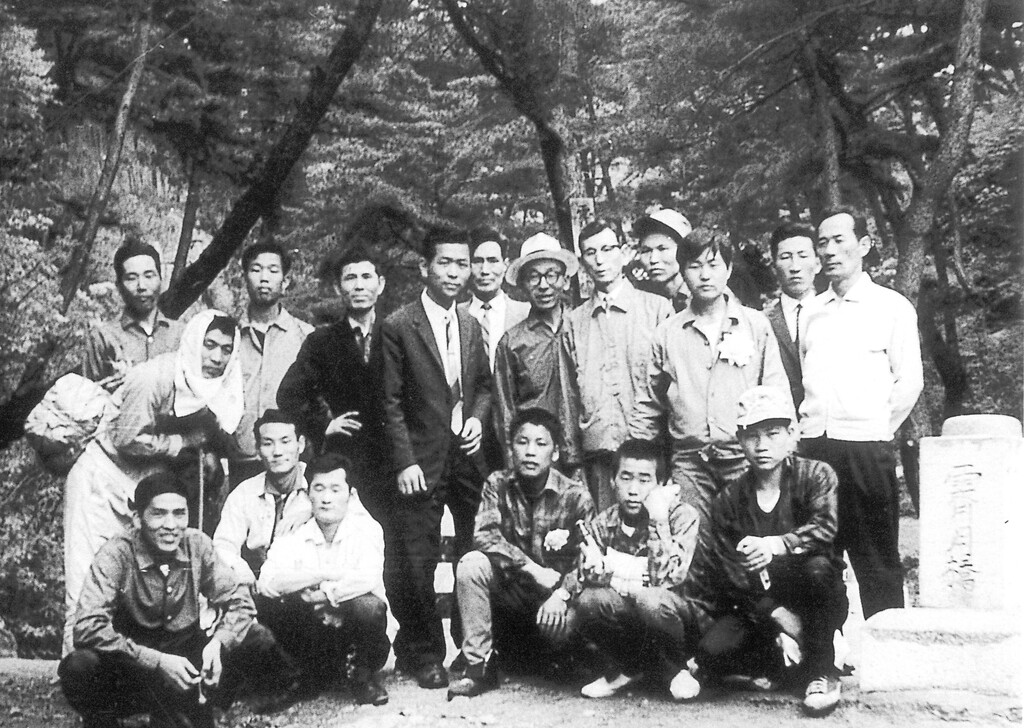
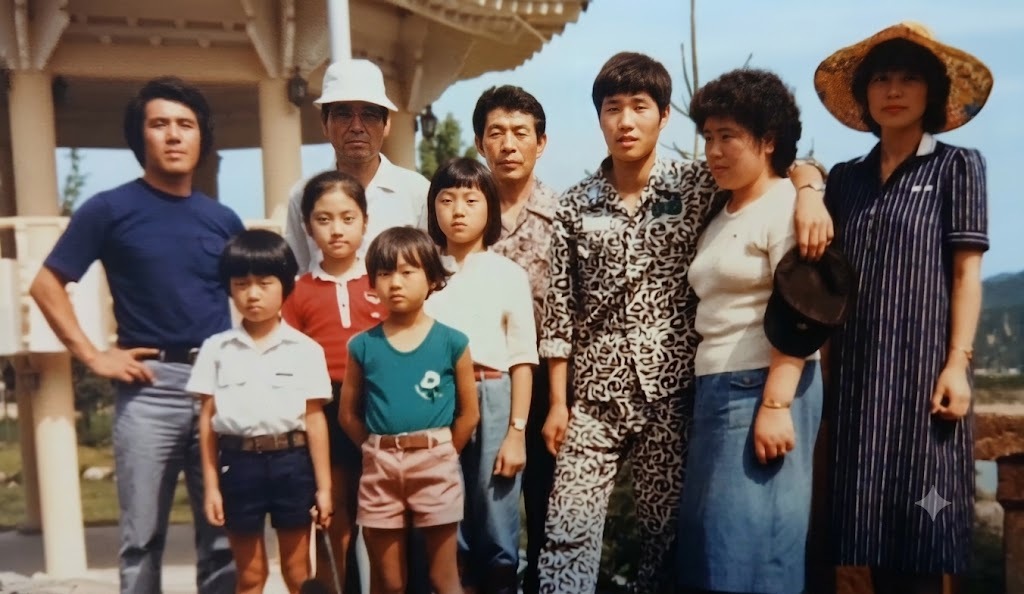
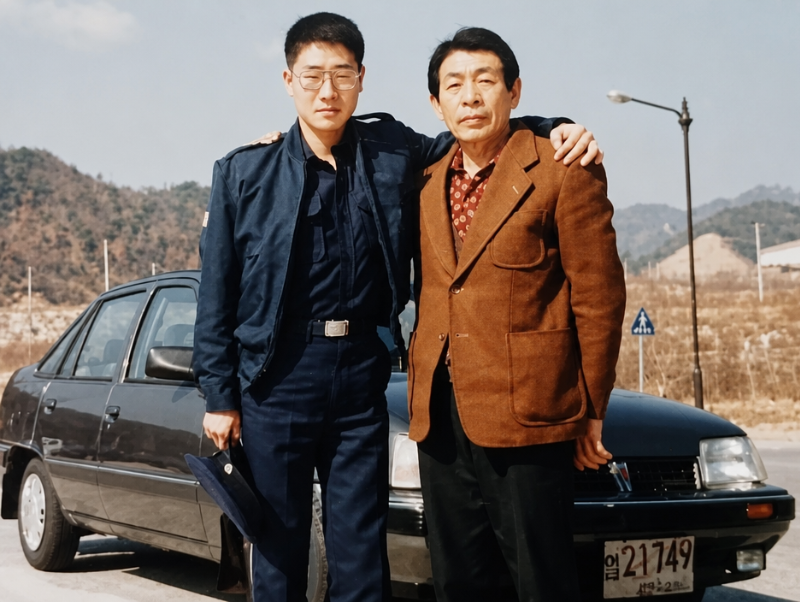
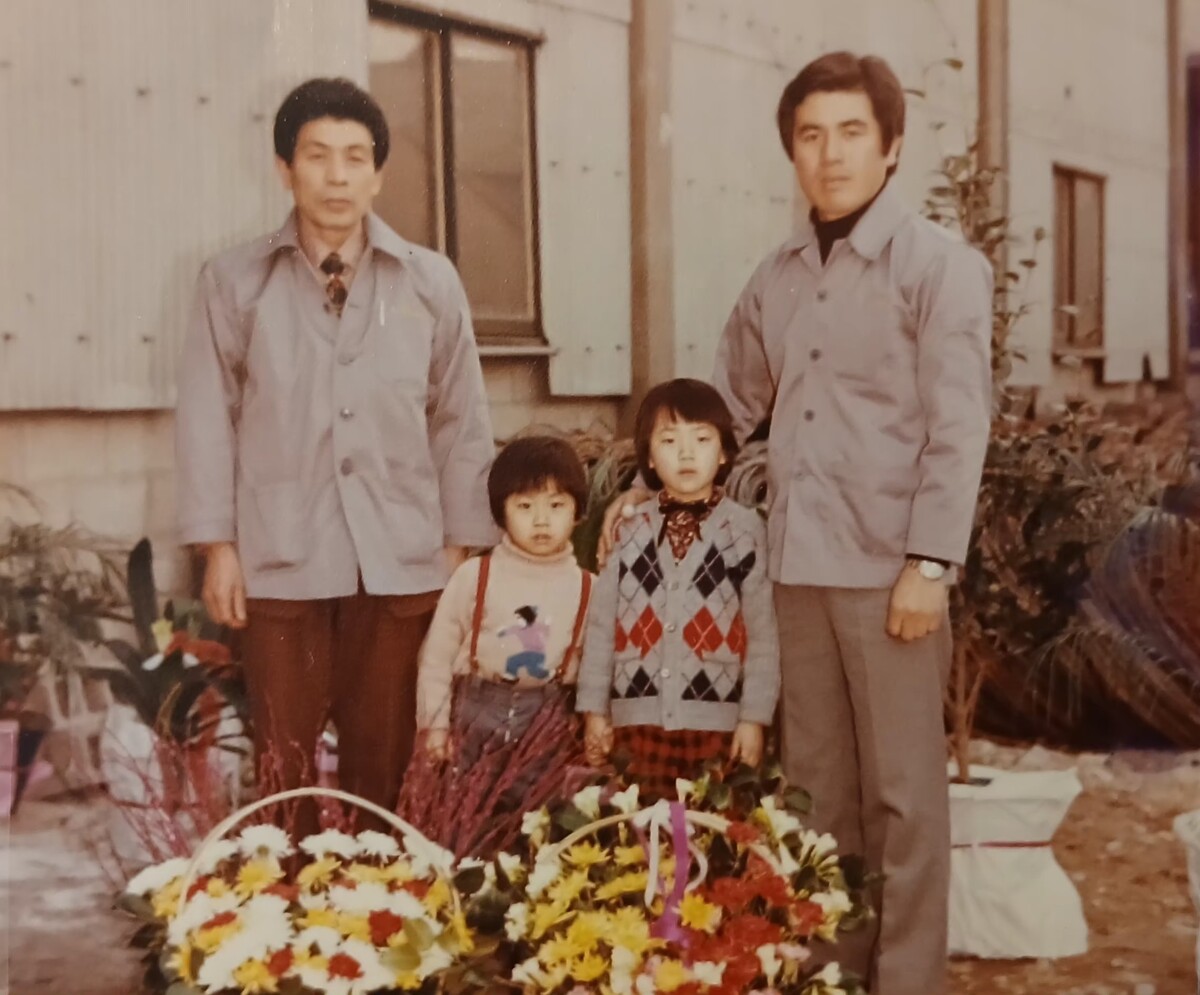
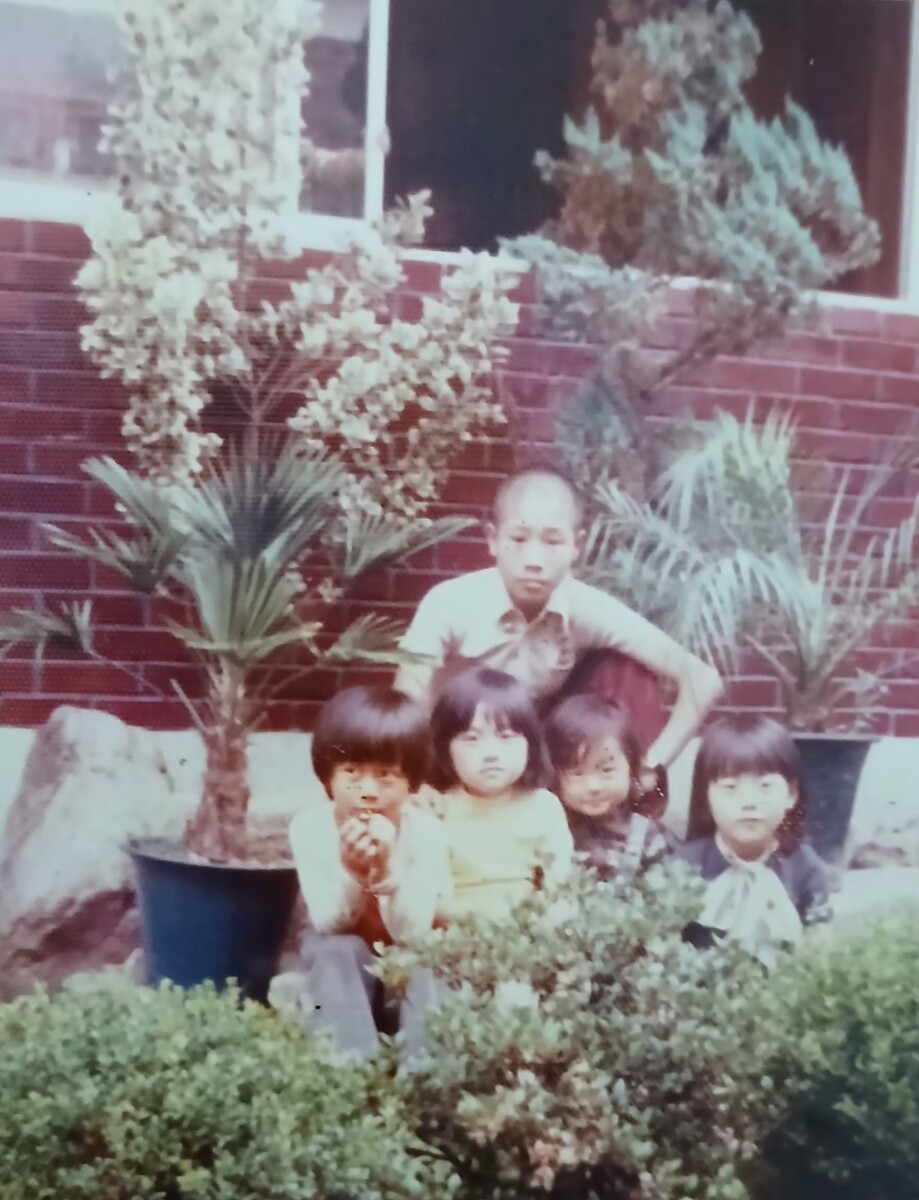
The man with the towel wrapped around his head is the late Kim Jinho.
Kim Jin-ho brought the skills he learned in Japan to the city of Daegu, where he took on the role of chief technical officer (factory manager) at a large company called Shinseong Industrial Company, greatly contributing to Korea's modern industry in 1968 through things like automating the production of hacksaw blades, nuts, and bolts.